
Embracing December's Slower Pace: How Gentle Yoga Can Alleviate Stress for Women in Menopause

December often brings a mix of emotions and demands. For many women navigating menopause, this month can feel especially challenging. The combination of work deadlines, family obligations, and holiday preparations can increase stress levels, while physical symptoms like stiffness and body aches may worsen. Slowing down and adopting holistic practices, particularly gentle trauma-informed yoga, offers a way to ease these pressures and support well-being during this busy season.
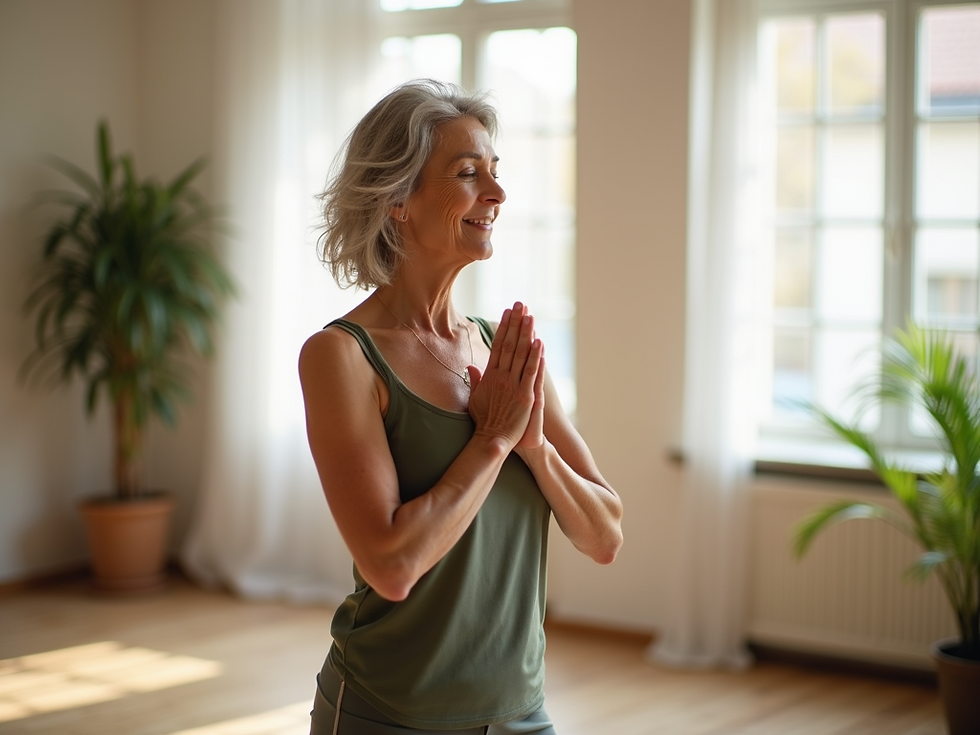
December Stress and Its Impact on the Menopausal Body
December’s busy schedule often means juggling multiple roles: professional responsibilities, caregiving, and social commitments. For women in menopause, this can intensify feelings of overwhelm. Menopause itself brings hormonal changes that affect the body’s flexibility and pain levels. Many women report increased stiffness and body aches during this time, which can make daily tasks more difficult and tiring.
The body’s natural response to stress includes muscle tension, which can worsen stiffness and discomfort. When combined with menopause-related symptoms, this creates a cycle where physical pain and mental stress feed into each other. Recognizing this connection is the first step toward managing December’s demands more effectively.
Why Holistic Practices Matter During Menopause
Holistic approaches focus on treating the whole person—body, mind, and spirit—rather than just isolated symptoms. For women in menopause, this means addressing both physical discomfort and emotional stress. Gentle yoga, especially when trauma-informed, offers a safe and supportive way to reconnect with the body and calm the mind.
Trauma-informed yoga acknowledges that many women carry emotional or physical trauma that can affect how they experience pain and stress. This approach emphasizes choice, safety, and mindfulness, allowing women to move at their own pace and listen deeply to their bodies. It reduces the risk of injury and emotional overwhelm, making it ideal for those dealing with menopause-related changes.
How Gentle Yoga Helps Reduce Stiffness and Body Aches
Gentle yoga uses slow, deliberate movements and stretches that improve circulation and flexibility without pushing the body too hard. This can help reduce stiffness, a common complaint during menopause. Regular practice encourages the release of muscle tension, which often contributes to body aches.
Some specific benefits of gentle yoga for menopausal women include:
Improved joint mobility: Slow stretches keep joints lubricated and reduce feelings of stiffness.
Enhanced muscle strength: Supporting muscles around joints can decrease pain and improve posture.
Better circulation: Movement increases blood flow, which helps reduce inflammation and promotes healing.
Stress reduction: Mindful breathing and relaxation techniques calm the nervous system, lowering cortisol levels that contribute to pain.
For example, poses like Cat-Cow gently mobilize the spine, while Child’s Pose offers a restful stretch for the back and hips. These poses can be adapted to individual needs, making yoga accessible even on days when body aches feel intense. My 1:1 sessions , are designed to give you personalized attention – before, during and after our session together.
Practical Tips for Incorporating Gentle Yoga in December
Adding gentle yoga to a busy December schedule may seem daunting, but small, consistent steps can make a big difference. Here are some practical ideas:
Start with short sessions: Even 10 to 15 minutes of gentle stretching in the morning or before bed can ease stiffness. Try my free 10 min. Morning Movement for Joint Stiffness and Brain Fog Video.
Create a calming space: Find a quiet corner with a yoga mat, cushions, and soft lighting to encourage relaxation.
Use props: Chairs, blocks, and straps can support the body and make poses more comfortable.
Focus on breath: Deep, slow breathing helps reduce tension and improves focus during practice.
Listen to your body: Avoid pushing into pain; modify poses as needed and rest when necessary.
Joining a trauma-informed yoga class, either in person or online, can provide guidance and community support. Many instructors offer classes tailored for menopausal women, addressing common concerns like joint pain and mood swings.

Supporting Overall Well-Being Beyond Yoga
While gentle yoga is a powerful tool, combining it with other holistic practices can enhance its benefits. Consider these additional strategies:
Mindful meditation: Spending a few minutes daily in meditation can improve emotional resilience.
Balanced nutrition: Eating anti-inflammatory foods supports joint health and reduces body aches.
Adequate hydration: Staying hydrated helps maintain tissue elasticity and reduces stiffness.
Quality sleep: Prioritizing rest allows the body to repair and manage stress better.
Social connection: Sharing experiences with other women in menopause can provide emotional support and reduce feelings of isolation.
These practices work together to create a foundation of health that helps women face December’s challenges with more ease and grace.
We can chat and find out the best way to work together here .
This is a no-pressure, 15 min Your Path to Feeling Like You Again Call, where we can connect, talk about what you’re looking for, and see if we’re a good fit to work together.


Comments